On Peptide Pureness
How To Find out more Confirm Study Peptide Purity: Coa & Hplc HPLC Testing Lab Guide Prior to devoting to larger orders or continuous acquisitions, validate that initial products fulfill declared specifications. Like Janoshik, MZ Biolabs COAs can be verified through their platform, supplying an added layer of authenticity confirmation. When utilizing the peptide reconstitution calculator or preparation doses, net peptide material provides more precise calculations than assuming full material. One documented case entailed a bodybuilder that injected what was labeled as Follistatin. The Limulus Amebocyte Lysate (LAL) examination is the conventional approach for endotoxin quantification. It uses a thickening reaction from horseshoe crab blood cells that is specifically set off by bacterial LPS. Outcomes are shared in Endotoxin Units per milligram (EU/mg) or per milliliter (EU/mL). The main techniques for gauging peptide purity are High-Performance Fluid Chromatography (HPLC) and Mass Spectrometry (MS). HPLC separates the target peptide from impurities, evaluating purity. MS verifies the peptide's identification by gauging its precise mass. These two methods supply corresponding info and are the gold requirement in the peptide market. Peptide pureness implies the portion of the target peptide sequence in a sample compared to contaminations. It's crucial since contaminations can alter study results, affect medication security, and concession speculative reproducibility, making high purity necessary for precise science.
Technique Transfer & Validation Alternatives
Organizations acquiring wholesale research peptides typically prioritize consistency and top quality confirmation. High-Performance Fluid Chromatography separates substances within a sample to assist determine and measure private parts. Shows that most of the evaluated sample contains the desired peptide substance. Researchers frequently review purity results as component of a broader quality-control process. Message us directly on WhatsApp for any type of concerns regarding our testing procedure or products. Researchers normally examine pureness together with various other quality metrics instead of counting solely on a solitary percentage. If essential, we will supply you with an effective one-stop solutions. Techniques differ by series, length, modifications (tags, linkers, non‑natural AAs), and meant use. Panel structure and deliverables are defined by peptide type, adjustments, planned usage, and your specifications. A removal peptide missing a solitary residue could still bind to the same receptor, but with various fondness or selectivity. Oxidized variants might act as partial agonists or antagonists.Common Pureness (≥ 95%)
Is 95% purity great for peptides?
Peptides with an 85% pureness level or greater are typically used in enzyme assays or biological activity research studies. Peptides with pureness above 95% are excellent for measurable evaluation.
- This is extremely seldom the case, however well a protocol is maximized, and the threat of side responses and insufficient reactions means that peptide pureness comes to be an essential concern in the context of the application.
- By clicking "Yes", you verify that you are 21 years of age or older, agree that any items bought will be made use of purely for research study objectives and accept our Terms of Solution.
- Peak Research laboratory is a specialized distributor of high-purity chemical reagents and peptides.
Recognizing The Methods
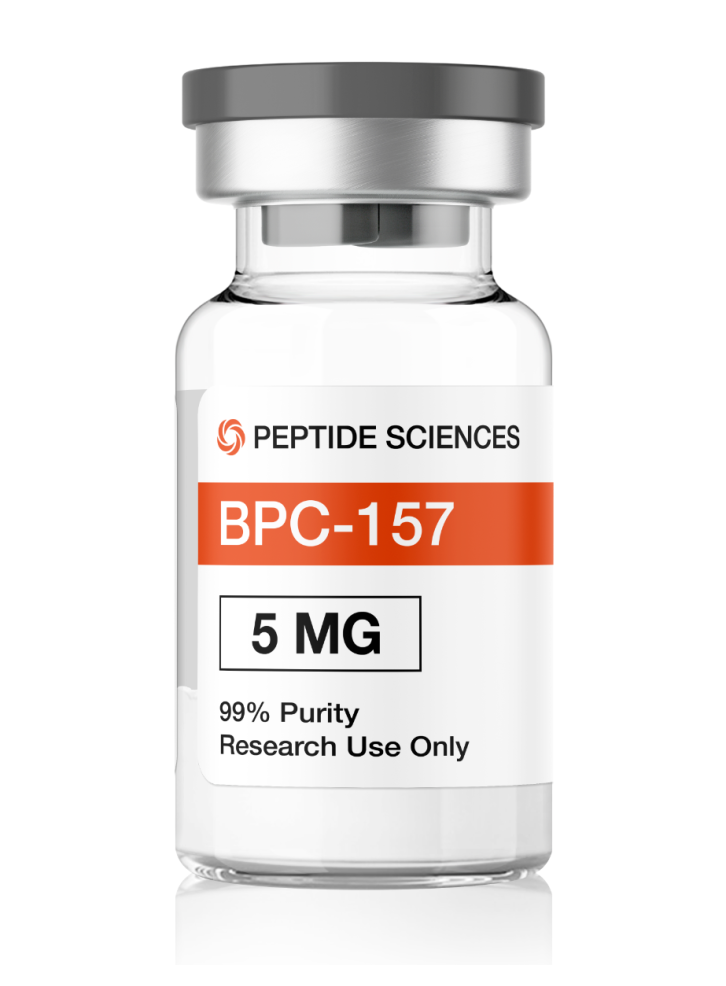
BOC Sciences uses multi-batch comparison evaluation to help customers establish raw material high quality standards and ensure consistency. High-Performance Liquid Chromatography, or HPLC, is a laboratory screening approach utilized to make certain a peptide is clean, pure, and exactly what it declares to be. When peptides like BPC-157 or SS-31 are made, HPLC is one of one of the most vital tools researchers make use of to confirm their top quality. Peptide purity screening describes analytical treatments made use of to review the structure and top quality of a peptide sample. To ensure complete neutrality, we pick arbitrary samples straight from the finished production set for independent lab screening. The exact same item consumers obtain is the product submitted for analysis. Using high-performance liquid chromatography (HPLC), we validate that the active component content goes to least 99% pure. This eliminates fillers and contaminations, making certain the purity of every dose. Trace amounts of solvents used throughout synthesis and purification-- acetonitrile, dimethylformamide (DMF), dichloromethane-- can remain in the final product. These are general study context monitorings, not item requirements. Methionine and cysteine deposits can be susceptible to oxidation. Oxidation adjustments molecular homes and can move retention habits, producing unique chromatographic optimals or relevant mass shifts. Asparagine and glutamine deposits can go through deamidation, altering the peptide's charge and hydrophobicity. Deamidation is one reason storage space conditions issue, particularly after a peptide has actually been reconstituted. The lab provides HPLC pureness analysis and mass spectrometry identification confirmation. A chromatogram reveals peaks standing for various compounds found during HPLC evaluation. The primary optimal, normally the largest, represents your target peptide.